


Contemporary Architecture
Contemporary architecture is a blanket phrase that comprises a range of present day building styles that often look radically different from one another and sometimes from anything that has come before.

Modern Architecture
Modern architecture refers to the style of architecture that flourished in the early to mid 20th century. Rejecting the ornamental styles of the recent past, modern architecture favors clean lines; functional design.

Victorian Architecture
Victorian architecture refers not to a particular style but to an era—the reign of Queen Victoria over the United Kingdom of Great Britain from 1837 to 1901.
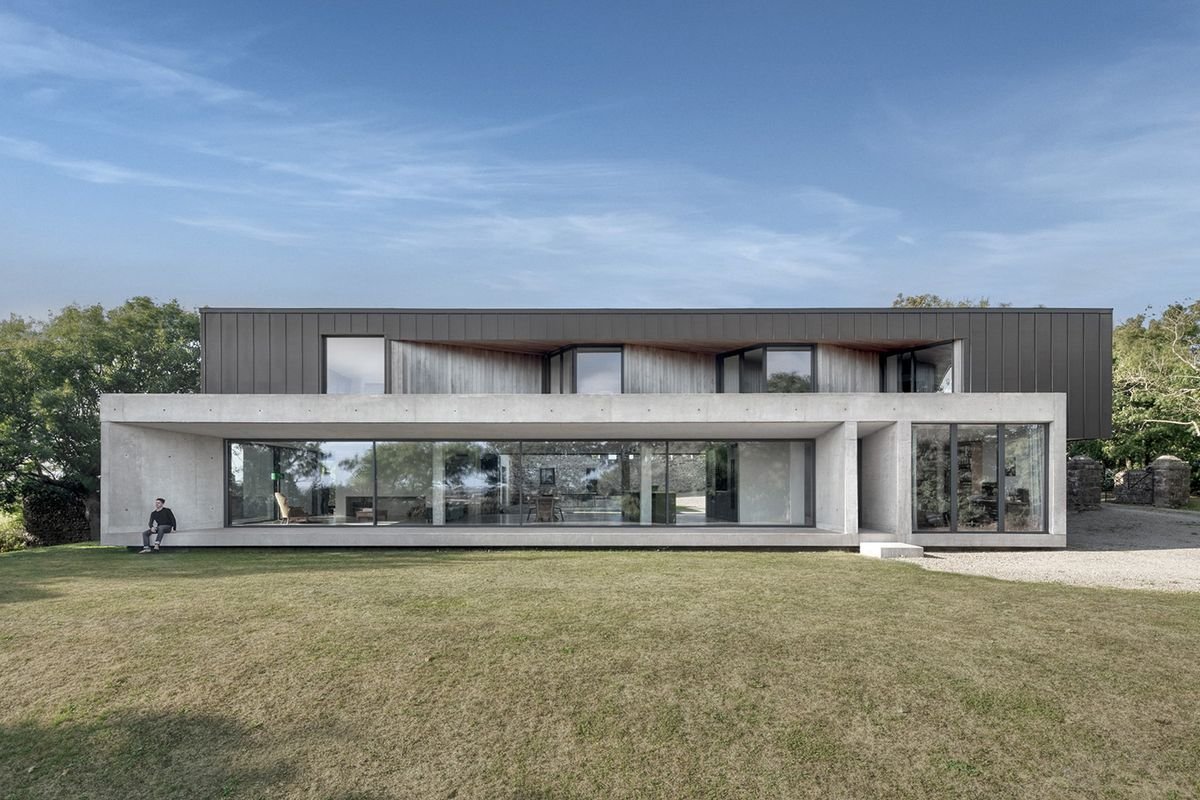
Minimalist Architecture
Minimalism is a trending look for art, and lifestyles. Minimalist architecture is another area where simple designs really shine.
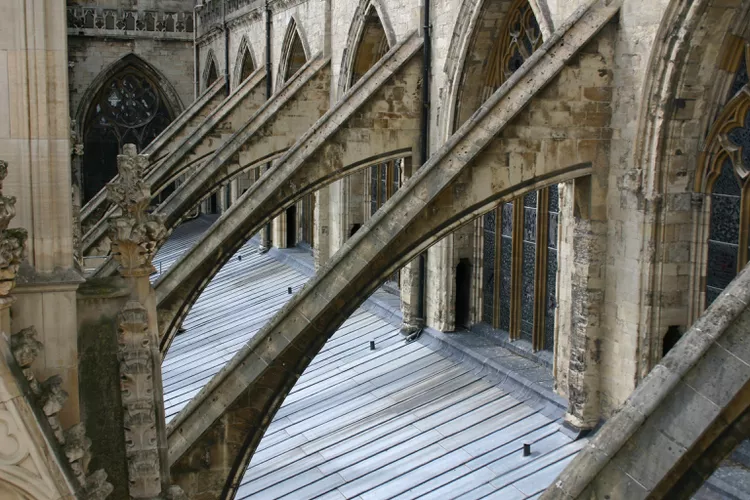
Gothic Architectural
Well-known for its pointed arches, flying buttresses, and large, stained glass windows, Gothic architecture is a European architectural type that originated in the mid-12th century and remained popular until the 16th century.

Art Deco Architectural
Art Deco architecture represents a post-WWI era where industrialization and radiance came together to create art and structures that were sleek, but not minimal.

International Architecture
International Architecture Style emphasizes simplicity, functionality, and minimal ornamentation. It uses modern materials like glass, steel, and concrete to create open, light-filled spaces.
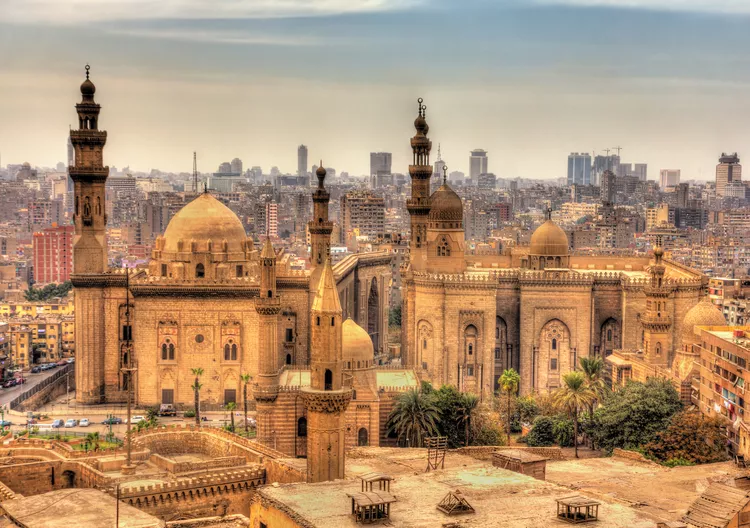
Islamic Architecture
Islamic architecture is an ancient style found primarily in Arab states, Muslim-majority countries, and European countries with Arab or Islamic histories,
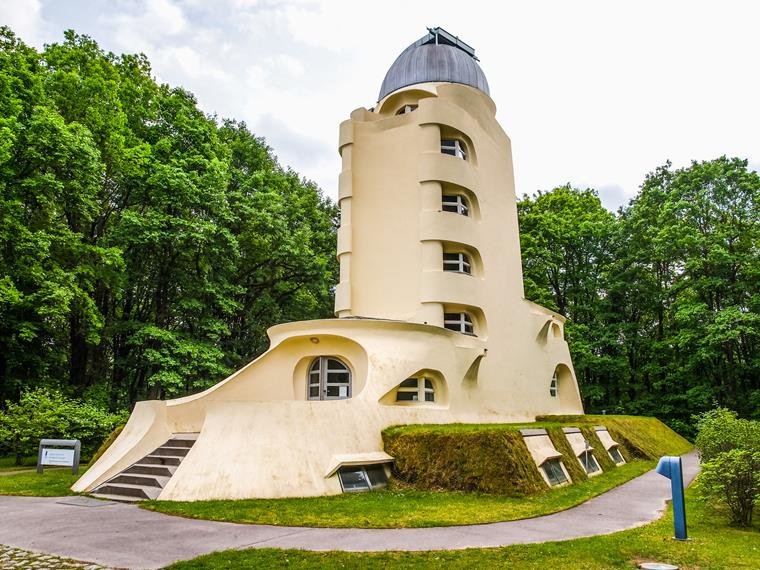
Expressionist Architecture
Expressionist Architecture Style is bold, artistic, and highly imaginative. It emphasizes dynamic shapes, dramatic forms, and emotional impact over traditional symmetry.

Neo Classic
Neo Classic Architecture Style draws inspiration from ancient Greek and Roman design, focusing on symmetry, proportion, and grandeur.

Classical
Classical architecture originated in ancient Greece and Rome, and is characterized by symmetry, columns, rectangular windows, and marble, to name a few.
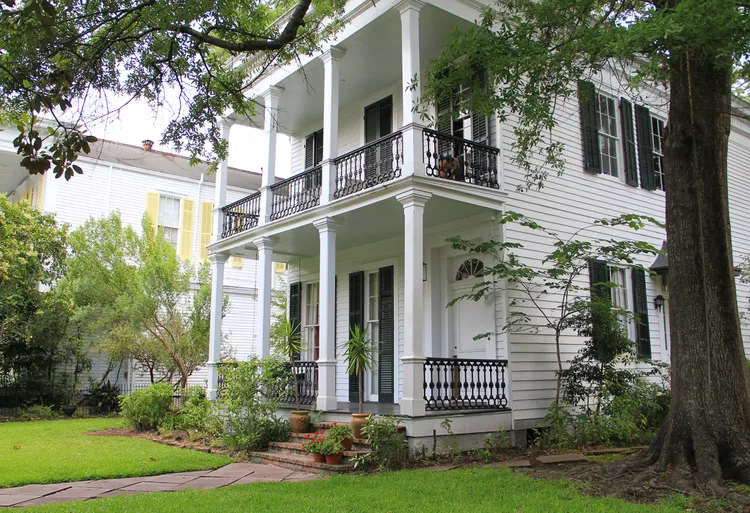
Greek Revival Architecture
Greek Revival is a style of architecture inspired by the symmetry, proportion, simplicity, and elegance of the ancient Greek temples of 5th century B.C. In the United States.
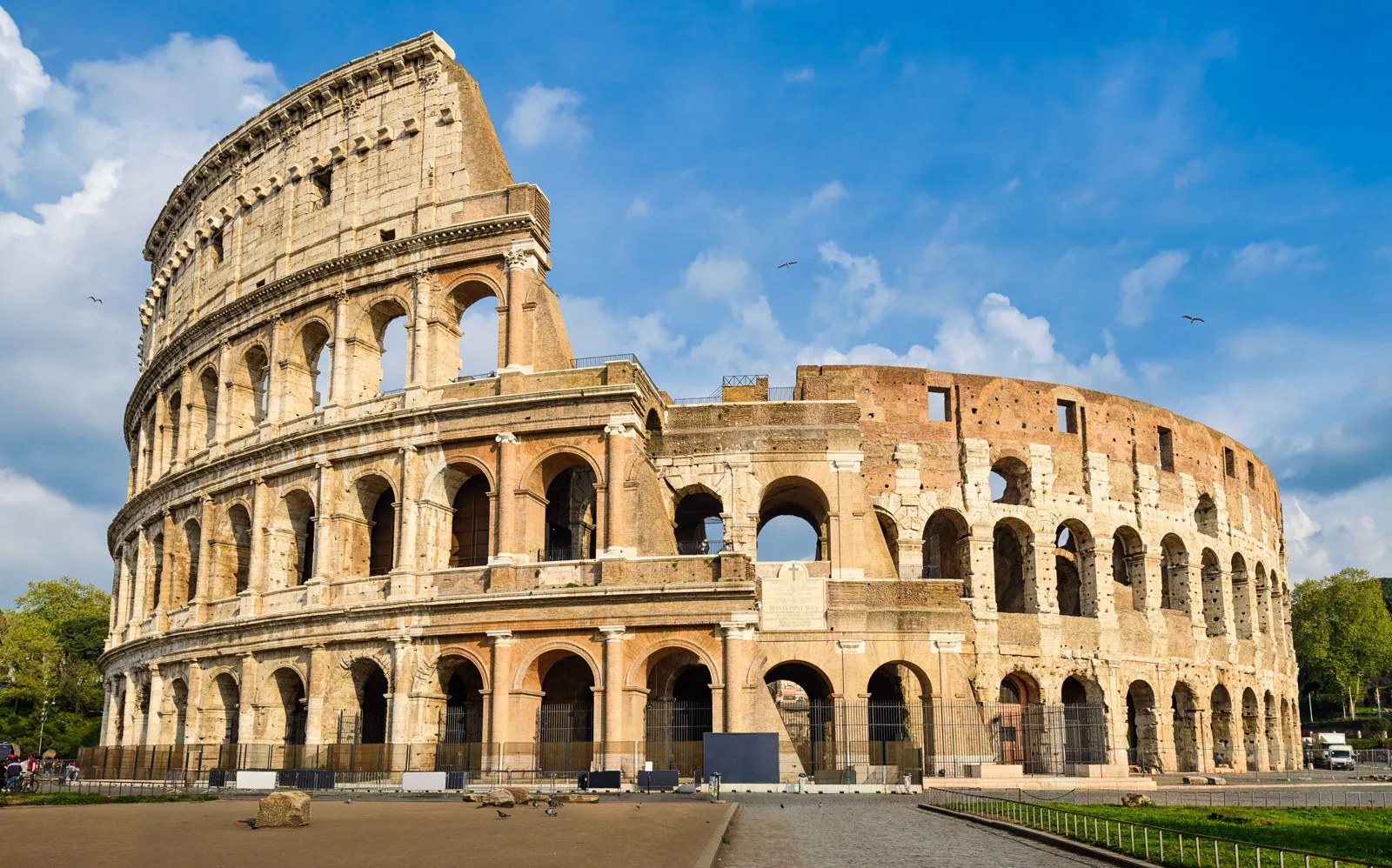
Roman Architecture
Roman Architecture Style is famous for its grandeur, strength, and engineering brilliance. It introduced innovations like arches, vaults, and domes, along with massive amphitheaters, aqueducts, and temples.
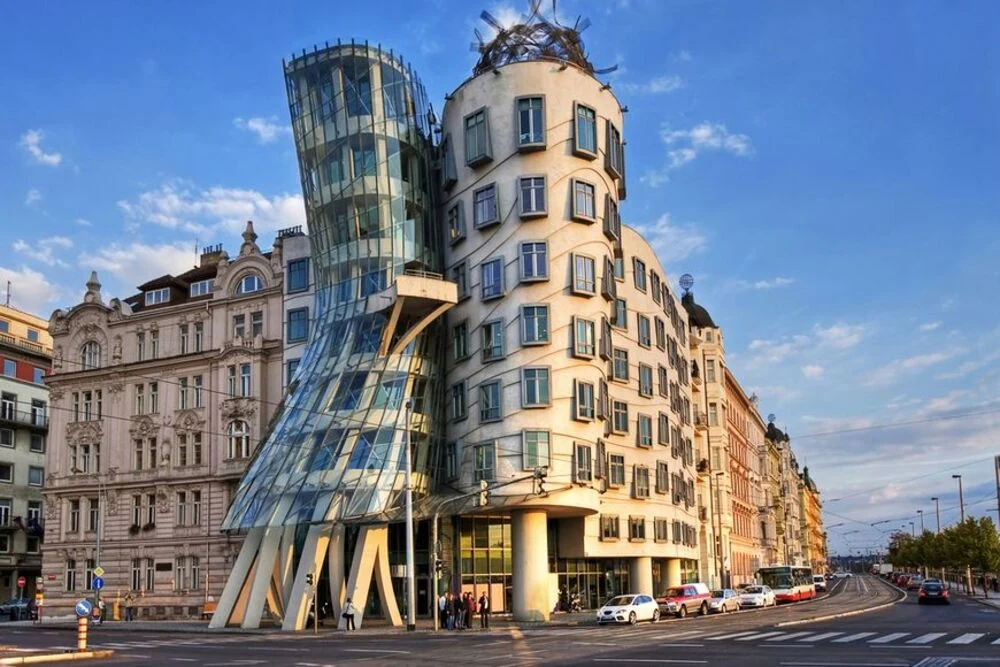
Deconstructivism Architectural
Deconstructivism Architecture Style is unconventional, bold, and fragmented in design. It breaks away from traditional symmetry, using sharp angles, irregular shapes, and overlapping forms.

Bauhaus Architecture
Bauhaus Architecture Style focuses on simplicity, functionality, and modern design. It avoids ornamentation and emphasizes clean lines, geometric shapes, and open spaces.

Industrial Architecture
Industrial architecture is an umbrella term used to describe buildings constructed to facilitate the needs of industry.encompasses a range of building types and styles that mix functionality and design and can be found all over the industrialized world.
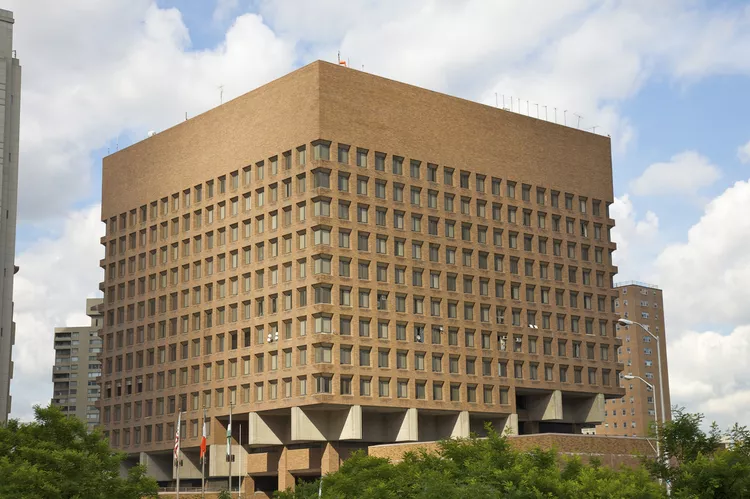
Brutalist Architecture
Brutalism is a that was prominent from the 1950s to the 1980s. Characterized by simplistic, hulking concrete structures, Brutalist architecture originated in England.
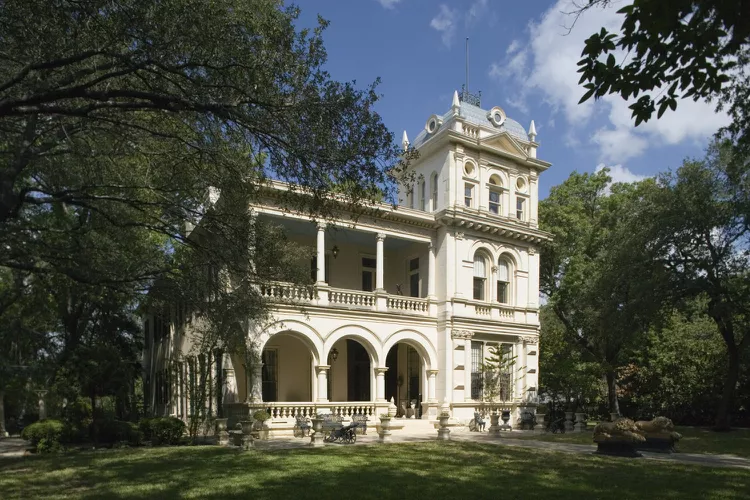
Italianate Architecture
Italianate Architecture Style is characterized by its picturesque and decorative look, inspired by Renaissance-era Italian villas. It often includes tall, narrow windows with arches.

Colonial Architecture
Dating back to the early- to mid-1600s—when French colonists began to arrive in the United States—French Colonial homes are commonly found in areas that were once ruled by France, including sections of the Mississippi and Ohio Rivers.
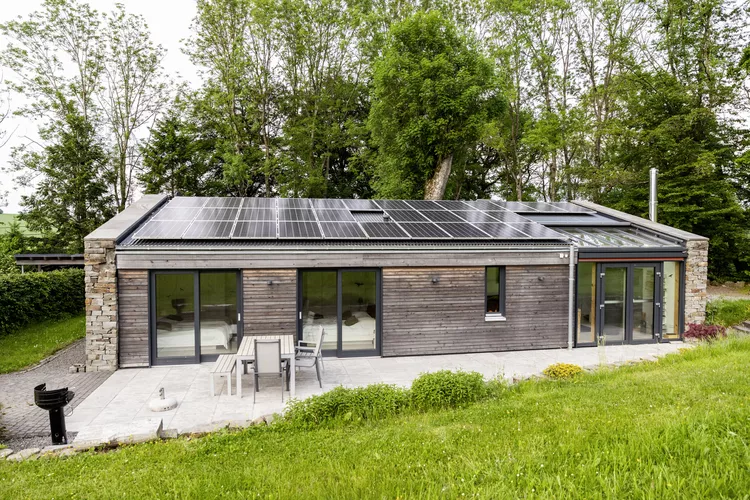
Sustainable Architecture
Sustainable architecture (also known as green architecture) is a general term that refers to buildings designed to limit humanity's impact on the environment.